
Behind the Work
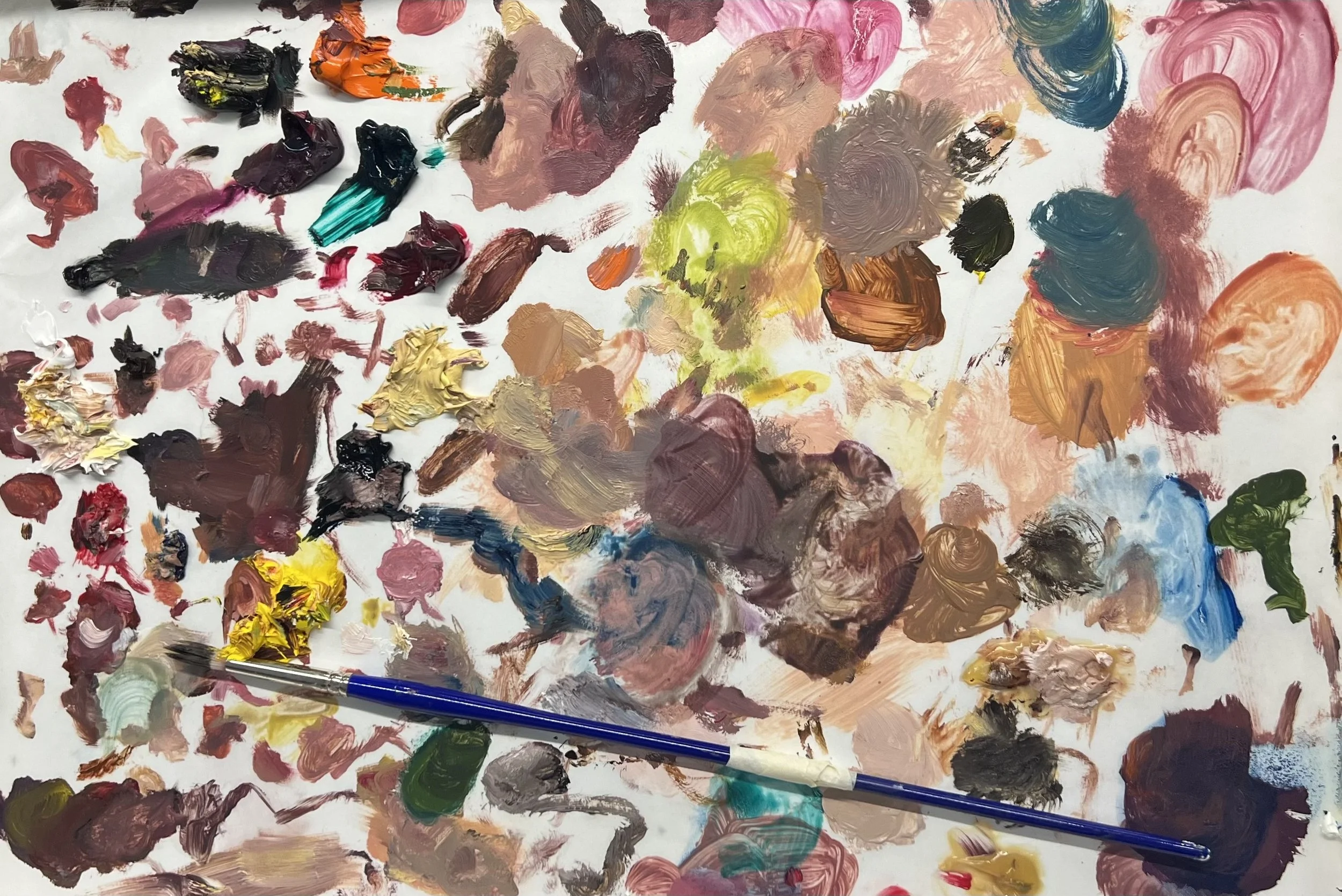
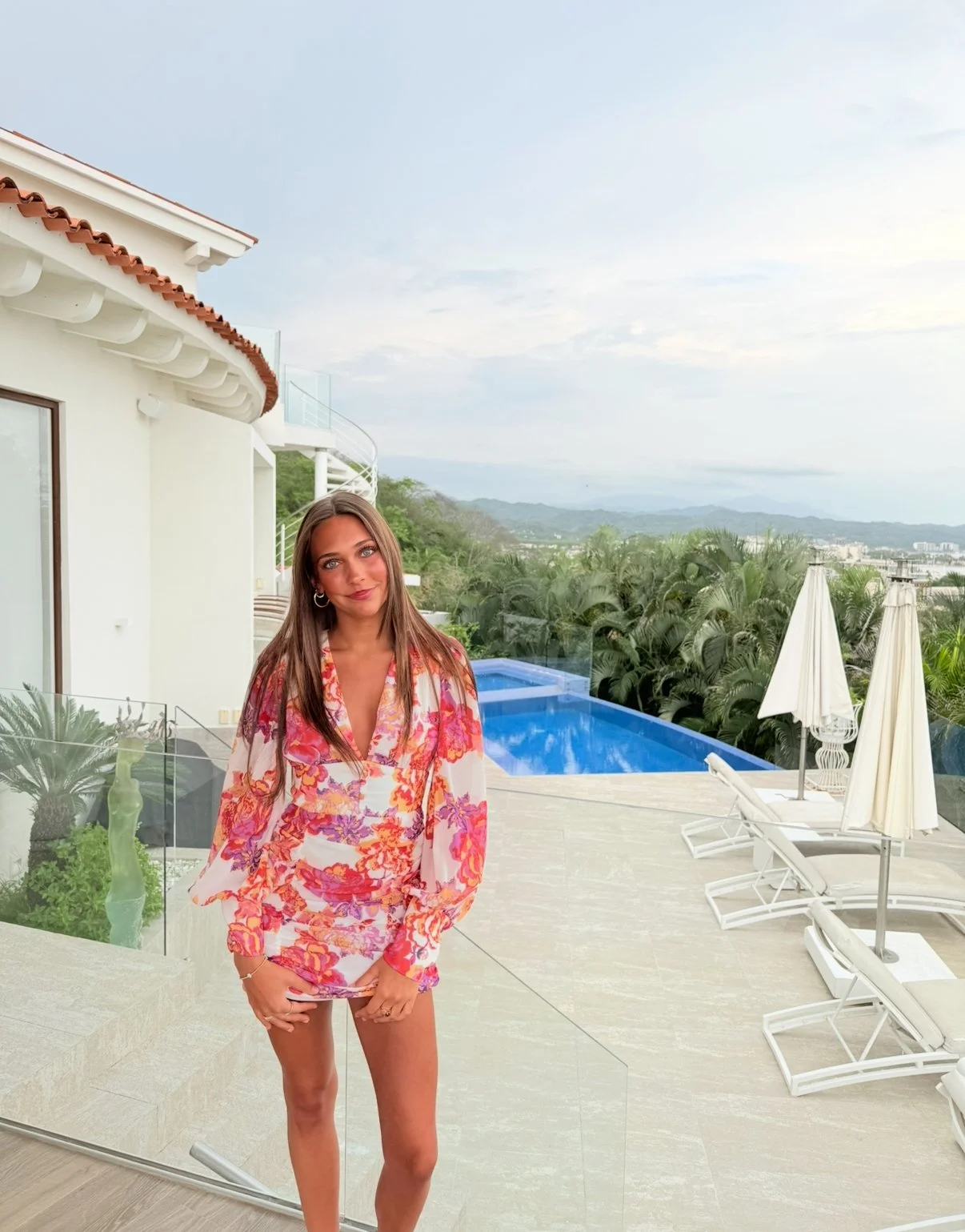
I am a versatile artist driven by curiosity, observation, and connection. My work lives at the intersection of fashion, media design, material exploration, and visual storytelling, where ideas move fluidly between physical and digital forms. I am drawn to details, textures, and moments that feel intuitive yet intentional; Images, objects, and experiences that communicate emotion, identity, and meaning.
Art is about slowing down, decoding what is often overlooked, and translating these internal ideas into experiences. Whether through storytelling, design, or experimental processes, my practice centers on human connection and the impact of perception.
I create: to question, to feel, and to transform ideas into tangible experiences.
The Sea of Becoming: What Is Artistic Success?
Over the past decade, the art world and its’ collectives have radically reshaped the market, creating an ever-changing expressway for artistic careers and ideals. This shift has redefined the artist’s role within society and this redefinition became my starting point for a more internal and reflective way of seeing. Art pushes my mind to think dynamically, sometimes bizarrely, pulling me into my ideals, values, and worldviews, as I examine how they connect to the outside world. However, for a long-time, art was only what I loved, what I was recognized for, and what I thought I understood completely.
The artist I am today, however, holds a vastly different perspective. It is not a newfound love for art, but a deeper understanding; One that extends beyond what the eyes see. It feels as though my internal pathways have shifted: I slow down, decode, feel, observe, and analyze. This new lens has altered not only my artistic path, but my life. I began connecting beyond the canvas, the movie screen, and plated food—seeing how every detail, every mark, merges into a collective. Like atoms forming an object, art revealed itself as interconnected in ways I had never perceived before.
Art was no longer something I was simply “good at,” but a byproduct of internal ideas made tangible. I once believed “good” art had to be hyper-realistic or traditionally impressive: portraits, meticulous paintings, technical mastery. For their time, those standards made sense. But now, in 2026, we carry limitless tools in our pockets. We can prompt AI in seconds, learn techniques online, and digitally render any idea imaginable. With no boundaries, it paradoxically feels harder than ever to succeed. We are living in the prime of art history, yet the pressure to create “good” work often overpowers art’s true purpose.
Today’s art market offers an overwhelming abundance of work. We can visit museums to see Picasso, stream films like Donnie Darko or Memento, or finally eat at the Michelin-star restaurant trending on Instagram. These experiences are elevated as the standard of “good.” But what if the local museum showcased more conceptual work? What if a small creator’s short film outshined blockbuster sci-fi? What if a small-town restaurant curated flavors never before tasted? All of these can exist at the same level of quality, yet societal standards elevate only what is deemed valuable.
The market is constantly evolving at ground level, while definitions of success are dictated from the top. When a work is finished—the final brushstroke placed, the last clip edited, the clay removed from the kiln—we release it into the sea of becoming, hoping someone’s hook catches. This system often feels designed for failure: investing time, labor, and vulnerability into something tangible, hoping to be noticed. Yet, as artists, we hold the lens; The ability to observe, notice, and curate meaning.
One of the harshest truths is that our art can be anything we want it to be, but once it leaves the studio, it becomes whatever someone else decides it is. One person may call it the greatest work of its time; another may see it as incomplete. This antimony of success is often defined by recognition or wealth: by a collector’s purchase, an institution’s approval. But what if that moment is the end? If ten years pass and no one remembers your name, was “making it” enough?
Success cannot be something you simply reach, because what happens after? Humans are never fully fulfilled. If we remove wealth and status from the equation, what remains? To me, success in art is something entirely different.
Success is creating a feeling that language cannot explain. It is confusion, discomfort, anger, joy, and connection. It is tuning into human nature, allowing someone else’s internal world to collide with your own. Success in art is success in human connection, whether through a doodle on a coffee sleeve or an abstract canvas carrying years of unspoken trauma. Success exists the moment an idea becomes real beyond your mind.
Unmeasurable by money or status, true success is felt. It lives in the same emotions that shape our lens of the world, the same feelings that first told me art was my path. Those same feelings ultimately determine whether we are ready to recognize success for what it truly is.
Bennett Llana (2026).